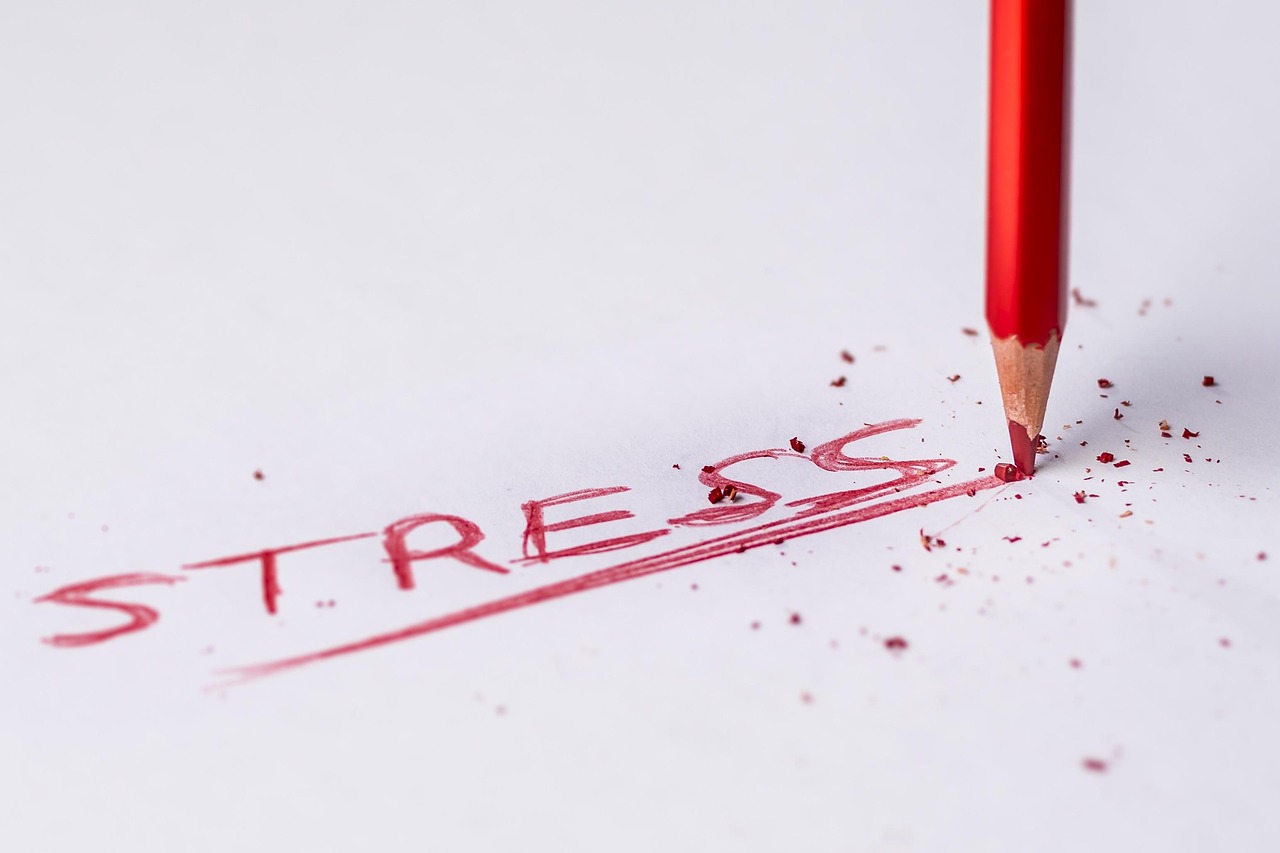
TUnmasking the Silent Strain
Burnout is more than just stress—it’s an overwhelming exhaustion that affects your cognitive clarity, emotional balance, and overall quality of life. In today’s high-pressure environments, both personal and professional boundaries often blur, leading to prolonged exposure to stressors that deplete your energy and motivation. Recognizing burnout early can make a significant difference in maintaining mental wellness.
In this section, you will explore:
- Key indicators of burnout such as persistent fatigue and disengagement
- The connection between chronic stress and mental health challenges
- Practical strategies to set boundaries and prevent further decline
You’ll discover how burnout can infiltrate daily routines and impair decision-making and interpersonal relationships. By understanding its progressive nature, readers can identify actionable steps to mitigate the impact. Whether you are managing a startup or juggling responsibilities at home, learning to recognize burnout can pave the way for healthier coping mechanisms. Located in bustling cities like Tampa, many local professionals are seeking guidance on balancing high-demand lives with personal well-being. This comprehensive guide is designed to empower you with knowledge and strategies to reclaim your energy and find a renewed sense of balance.
Uncovering the Subtle Indicators of Burnout
Burnout often creeps in gradually, with symptoms that may be easy to overlook until they significantly impact daily life. Recognizing these early signs is crucial in taking proactive steps to preserve mental and physical well-being, especially for professionals in high-stress environments. Individuals experiencing burnout might notice feelings of chronic exhaustion, irritability, or diminished motivation despite enough rest. These symptoms can lead to a decline in job performance, strained relationships, and a general sense of disconnect.
Practical tips to identify burnout include:
- Persistent fatigue that doesn’t improve with sleep
- Decreased productivity and difficulty concentrating
- Emotional detachment from work or personal interests
- Physical discomfort such as headaches or gastrointestinal issues
Pay attention to changes in sleep patterns or appetite, which can be subtle signals of stress accumulation. In bustling urban centers like Tampa, where the pace of life intensifies stress levels, acknowledging and addressing these symptoms early with self-care and professional advice can prevent further deterioration. Monitoring these signs equips individuals with the awareness to seek constructive strategies and interventions that restore balance and promote long-term resilience.
Reclaim Your Energy with Counseling for Burnout
Feeling overwhelmed by burnout is common, but you can regain control by engaging in targeted counseling. Follow these actionable steps to decompress and rebuild your resilience:
- Identify Warning Signs: Begin by recognizing early signs of burnout, such as increased irritability, fatigue, or loss of motivation. Documenting these symptoms daily can help you pinpoint stress triggers and changes in your routine.
- Seek Professional Guidance: Find a counselor skilled in stress and burnout management. A tailored approach incorporating Cognitive Behavioral Therapy and mindfulness techniques can help you reframe negative thoughts and build healthier coping strategies.
- Engage with Local Support: If you’re based in Tampa or anywhere in Florida, take advantage of local counseling services and community support groups. This localized help can provide culturally relevant strategies and benefits of a supportive network.
- Establish a Self-Care Routine: Implement daily practices—such as regular exercise, balanced nutrition, and quality sleep—to reinforce the counseling process. Continued self-care is key to lasting recovery and achieving sustainable mental well-being.
Innovative Strategies for Burnout Recovery
When exploring different therapeutic approaches for combating burnout, it’s essential to understand that flexibility in treatment often leads to more sustainable recovery. Therapists frequently combine traditional methods with creative modalities to help individuals navigate the physical and emotional exhaustion associated with burnout. For example, integrating mindfulness practices with cognitive behavioral techniques can be highly effective, offering clients practical tools to manage stress and foster resilience.
A multifaceted strategy may include:
- Mindfulness-Based Stress Reduction: Cultivates present-moment awareness and self-compassion.
- Cognitive Behavioral Therapy: Helps reframe negative thought patterns that contribute to burnout.
- Somatic Experiencing: Supports the regulation of physical symptoms related to prolonged stress.
Emphasizing both the mental and bodily components of burnout can lead to a holistic treatment plan, particularly beneficial for those in high-pressure environments, from corporate centers to local communities like Tampa. By combining these methodologies, individuals gain not just short-term relief but build long-lasting skills for emotional regulation and sustainable well-being. This comprehensive approach empowers clients to reclaim balance and energy in their everyday lives.
What Are the Signs of Burnout and How Do They Affect Daily Life?
Burnout manifests as chronic fatigue, irritability, and reduced performance both at work and in personal life. Counseling helps individuals identify these signs early, making it easier to implement lifestyle adjustments and stress management techniques.
How Can Therapy with Lisa Nail Help Me Overcome Burnout?
Professional counseling provides a structured environment to explore stressors and underlying emotional challenges. Techniques like mindfulness, cognitive restructuring, and relaxation exercises are commonly introduced to rebalance mental energy and promote resilience.
When Should I Consider Seeking Counseling for Burnout?
If you notice persistent exhaustion or struggle to find motivation, it might be time to seek counseling. Early intervention can prevent deeper issues and help establish sustainable self-care habits.
What Can I Expect During a Counseling Session Focused on Burnout?
Sessions are tailored to your specific needs, offering a mix of practical advice, coping strategies, and goal setting. Lisa Nail works with you on actionable steps to regain control and reduce stress.
How Does Local Context Influence Burnout Counseling?
In regions like Tampa and wider Florida, Lisa understands the local pace of life and work-related pressures. They incorporate regional insights into personalized strategies, helping clients navigate unique community challenges.
Embrace Renewal: Taking the Final Step
In wrapping up our discussion, it’s clear that recognizing burnout and seeking professional guidance are not signs of weakness but proactive steps toward self-improvement. Throughout this guide, we highlighted essential strategies to manage burnout, including understanding your symptoms, embracing lifestyle changes, and connecting with supportive resources available in your community, whether in Tampa, Florida, or surrounding areas.
Key takeaways include:
- Assessing your current well-being and stress levels.
- Integrating self-care routines into your daily life.
- Considering professional counseling as an actionable step toward long-term recovery.
Moving forward, create a personalized plan that includes setting realistic goals, establishing healthy boundaries, and seeking support from qualified professionals. Remember, the journey to recovery is unique for every individual, and your efforts today pave the way for a brighter tomorrow. Take that vital step—it’s never too late to renew your commitment to self-care and mental well-being. Call Lisa Nail at 813-575-0478 to start you journey.